My prompt: Write a weird article about Andorra. Choose the topic you want. But it must be Andorran. And never forget that, be creative…
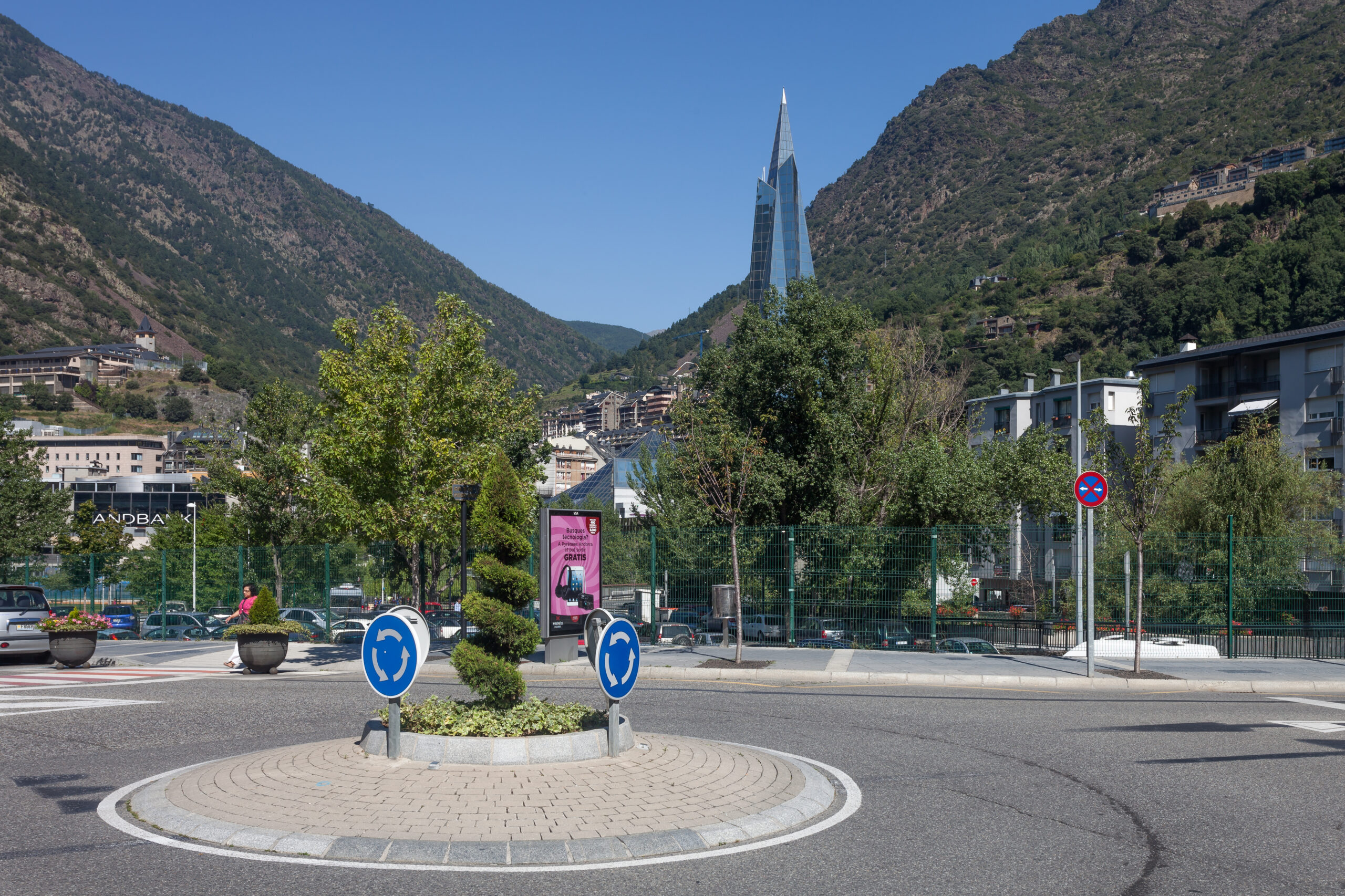
The Secret Migration of Andorra’s Roundabouts
Every spring, when the last patches of snow retreat from the high valleys and the mountains stop pretending to be glaciers, a mysterious phenomenon begins across the tiny country of Andorra.
The roundabouts start moving.
Officially, this is denied. Civil engineers insist that roads remain fixed. Surveyors produce maps. Government officials point at satellite images and look increasingly uncomfortable. Yet anyone who has driven through the principality long enough knows the truth.
One day a roundabout is beside a supermarket. The next week it appears to have drifted several meters uphill, as if seeking better views of the Pyrenees.
Scientists have proposed explanations.
One theory suggests that Andorran roundabouts are attracted to altitude. Given the choice between practical road placement and a dramatic mountain panorama, they inevitably choose the panorama. This would explain why many seem positioned as though they were designed by an eagle with a degree in urban planning.
Another theory argues that the roundabouts are alive.
According to this hypothesis, each roundabout survives by consuming confusion. Tourists approaching from neighboring Spain or France provide essential nutrients by hesitating, changing lanes unexpectedly, and asking themselves, “Was that my exit?”
The larger the confusion, the healthier the roundabout.
Researchers claim that the decorative sculptures found in many Andorran roundabouts are not art at all but sensory organs. They observe traffic. They collect weather data. They silently judge your parking skills.
One famous specimen allegedly spent three weeks rotating itself by tiny increments until it faced a particularly attractive mountain ridge.
No one noticed because everything in Andorra is already surrounded by mountains.
The situation becomes especially complex during winter. As skiers flood into the country, the roundabouts enter what experts call a “nutritional surplus.” They grow bolder. Some begin experimenting with architecture. Others develop elaborate floral arrangements. A few cultivate abstract metal sculptures that nobody fully understands but everyone respects.
The strongest roundabouts compete for prestige.
The ultimate dream of every young roundabout is to be featured in a tourist photograph. This is difficult in a nation dominated by spectacular peaks, medieval churches, and duty-free shopping. Nevertheless, ambitious roundabouts persist. They decorate themselves. They commission public art. They attempt to appear accidentally picturesque.
Most fail.
One legendary roundabout near the central valleys reportedly achieved brief fame after being mistaken for a modern philosophical statement about circular economics.
Its creators neither confirmed nor denied this interpretation.
By late autumn the migration season ends. The roundabouts settle into temporary positions. Snow returns. The mountains watch silently. Drivers continue navigating loops within loops, unaware that beneath the asphalt a slow and ancient instinct sleeps.
Then spring arrives again.
A tourist compares this year’s route to last year’s memory and frowns.
A local shrugs.
The roundabout has moved.
As it always does.
As it always will.
Because in Andorra, even the roads occasionally feel the call of the mountains.